Europe may be smaller than Asia in size, but it has a rich history and a complex political landscape that often confuses geography learners. A very common question students ask is how many countries are in Europe and which nations are officially included.
In this article, you’ll learn the exact number of countries in Europe, how they are grouped by region, and how tools like a random country generator can help you practice European geography more effectively.
How Many Countries Are in Europe?
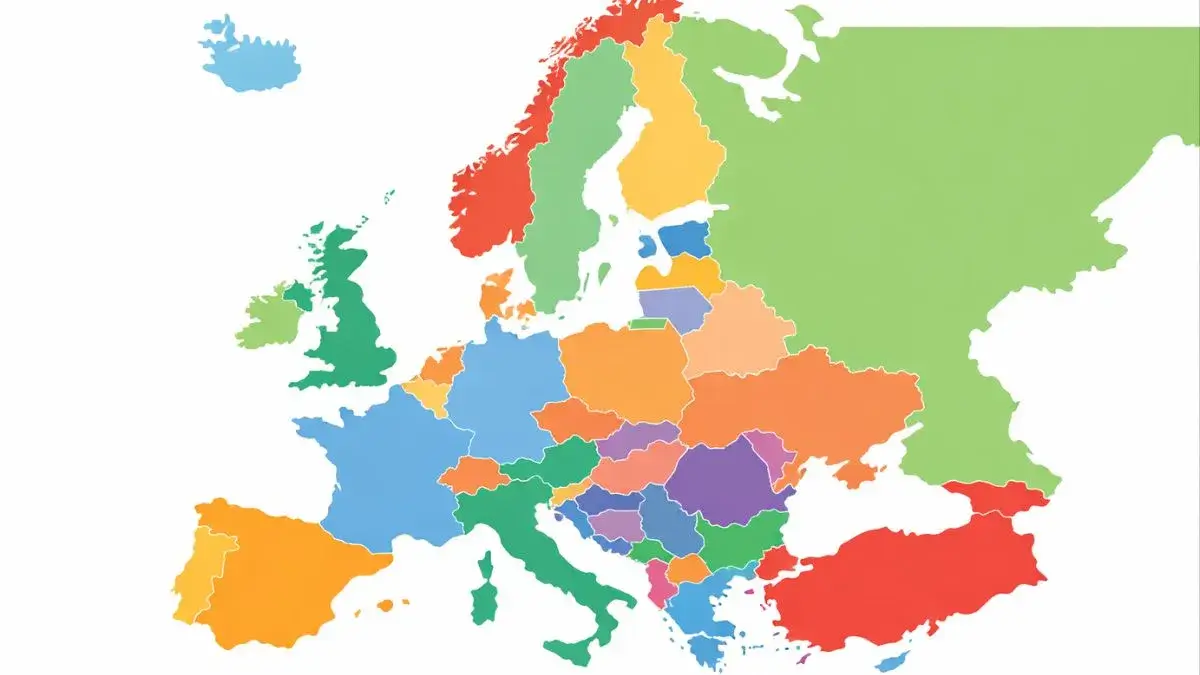
Europe has 44 internationally recognized countries. This number is based on standard geopolitical classification used in most educational and reference materials.
Some lists may show different numbers depending on how transcontinental or partially recognized states are treated, but 44 countries is the most widely accepted and safest number to use for learning and exams.
European Countries Grouped by Region
To make learning easier, European countries are commonly divided into regions.
Western Europe
Western Europe includes countries such as France, Germany, Belgium, Netherlands, Austria, Switzerland, and Luxembourg. This region is known for its strong economies and historical influence.
Southern Europe
Southern Europe includes Italy, Spain, Portugal, Greece, Malta, and several Balkan countries. This region is famous for its Mediterranean climate and ancient civilizations.
Eastern Europe
Eastern Europe consists of countries like Poland, Ukraine, Romania, Bulgaria, Hungary, and Slovakia. These countries share strong historical and cultural ties.
Northern Europe
Northern Europe includes Scandinavian and Nordic countries such as Sweden, Norway, Denmark, Finland, and Iceland, along with the Baltic states.
Southeastern Europe (Balkans)
This region includes Serbia, Croatia, Bosnia and Herzegovina, Albania, North Macedonia, Montenegro, and Kosovo.
To explore these countries interactively, many learners prefer using a random European country generator tool rather than memorizing lists.
Why European Geography Can Be Confusing
Europe has many small countries located close to each other, which can make maps difficult to read and remember. Border changes throughout history also add to the confusion.
Using a random country generator allows learners to focus on one country at a time, making study sessions more manageable and less overwhelming.
How a Random European Country Generator Helps
A random European country generator tool selects a country at random from Europe and helps users:
- Practice country recognition
- Prepare for geography exams
- Create quizzes and classroom activities
- Improve map-reading skills
You can also switch between the European tool and the global random country generator to test your worldwide geography knowledge.
Europe vs Global Country Practice
A Europe-specific tool focuses only on European nations, while a global tool includes countries from all continents.
- Use the random European country generator tool for focused Europe practice
- Use the random country generator for global geography learning
Both tools complement each other depending on your learning goals.
Yes, tools like the random European country generator tool are widely used for exam preparation and learning.
Europe has 44 officially recognized countries.
Russia spans both Europe and Asia, but its western part is often considered European.
Turkey is a transcontinental country with territory in both Europe and Asia.